
EMDR For Trauma & Difficult Experiences

You don't have to keep reliving the past to move forward.
Sometimes our minds and bodies continue reacting to experiences that happened long ago. You may understand that something is in the past, but your nervous system hasn't quite gotten the memo.
EMDR therapy can help you process distressing experiences so they feel less overwhelming and less present in your everyday life.
At Ash & Bloom Therapy, EMDR is approached with compassion, curiosity, and respect for your pace. You don't have to tell your entire story all at once, and you don't have to be "ready" to dive into everything on day one.
“The past affects the present even without our being aware of it.”
– Francine Shapiro

How does online EMDR work?
1. History & Preparation
You and I talk about what brings you to therapy, your history, current concerns, strengths, and resources.
2. Building Safety & Stability
Before processing difficult experiences, we make sure you have tools and strategies to manage emotions and feel grounded.
3. Identifying What Needs Attention
Together, we identify memories, beliefs, emotions, body sensations, or experiences that may still be affecting you.
4. Reprocessing
When you're ready, we use bilateral stimulation while you briefly focus on aspects of the experience.
5. Integration
Over time, the goal is for the experience to become something that happened then, rather than something your nervous system continues experiencing now.
6. Moving Forward
We work toward helping you feel more connected to yourself, your present life, and the future you're building.

What does an EMDR session look like?
What Does an EMDR Session Look Like?
EMDR doesn't mean you'll spend every session talking about trauma.
Getting to Know You
Some sessions focus on understanding your story, identifying your goals, and building a strong therapeutic relationship.
Building Your Resources
Before processing difficult experiences, we'll work on developing coping skills and resources to help you feel grounded, supported, and prepared.
Processing at Your Pace
When you're ready, I'll guide you through the EMDR process while helping you stay connected to the present. We'll work together to make sure you feel supported throughout the experience.
You're Always in Control
You remain in control of what you share. You can pause, slow down, take a break, or stop at any time.
And yes—sometimes therapy gets emotional. That's okay. You don't have to do it perfectly. We'll take things one step at a time.
A gentle collaborative approach to healing.
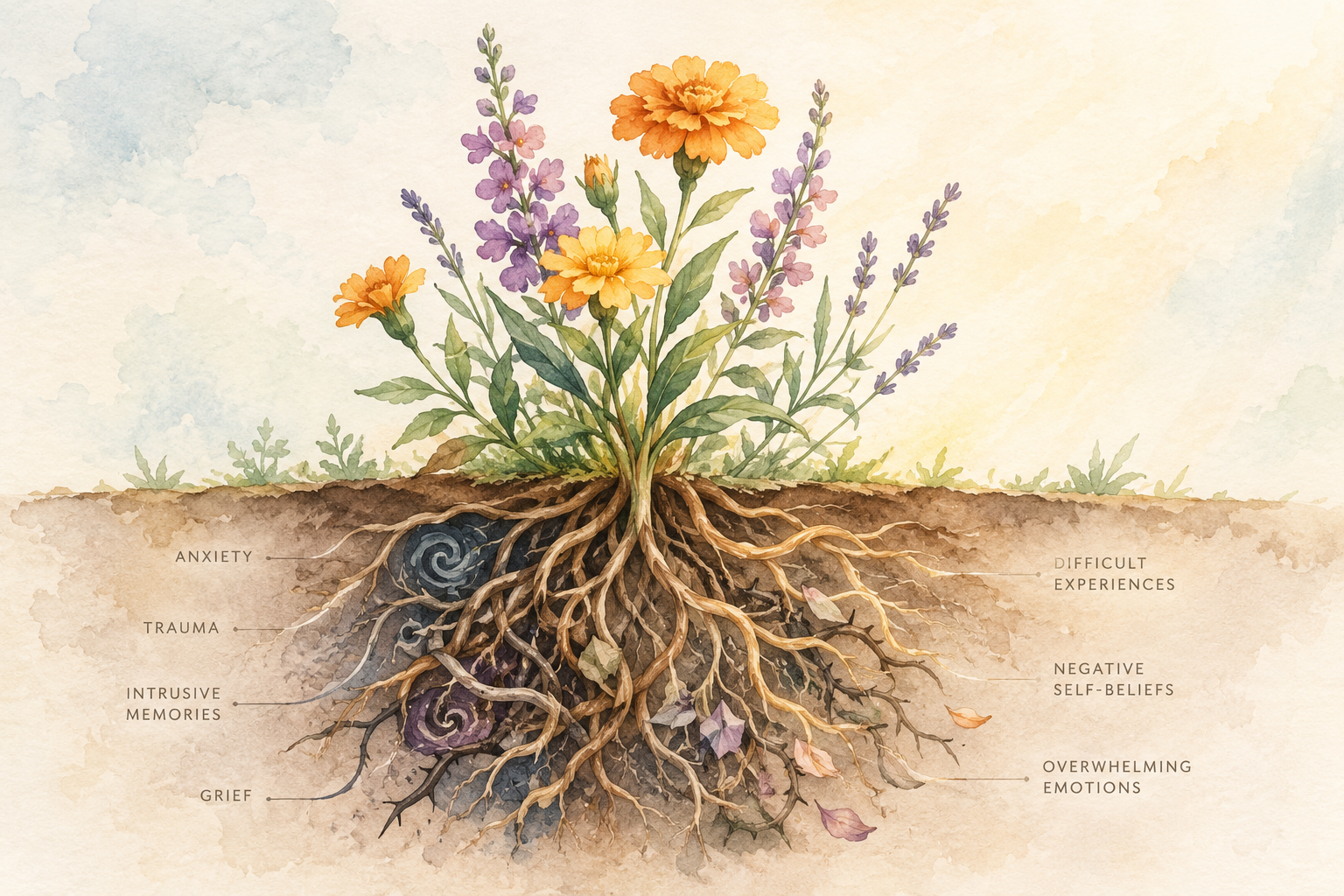
What can EMDR help with?
EMDR may be helpful for people experiencing:
Trauma and PTSD
Anxiety and fear
Distressing or intrusive memories
Difficult childhood experiences
Grief and loss
Relationship experiences that continue to affect you
Shame or negative beliefs about yourself
Life experiences that feel "stuck"
Overwhelming emotional or physical reactions to reminders of the past
Other distressing experiences that continue to impact your present life
EMDR isn't the right approach for everyone or every concern. We'll work together to determine whether it is appropriate for your goals, needs, and current circumstances.
EMDR Doesn't Require You to Tell Everything
You don't have to tell me every detail of what happened.
One of the things I want you to know about EMDR is that you remain in control of your story. You don't have to provide a perfectly organized timeline or share details you're not ready to share.
We'll move at a pace that feels manageable, and we'll focus on what is clinically appropriate for your treatment.
Therapy isn't about forcing yourself through something before you're ready. It's about creating enough safety to begin exploring what has been weighing on you.

Online EMDR Therapy
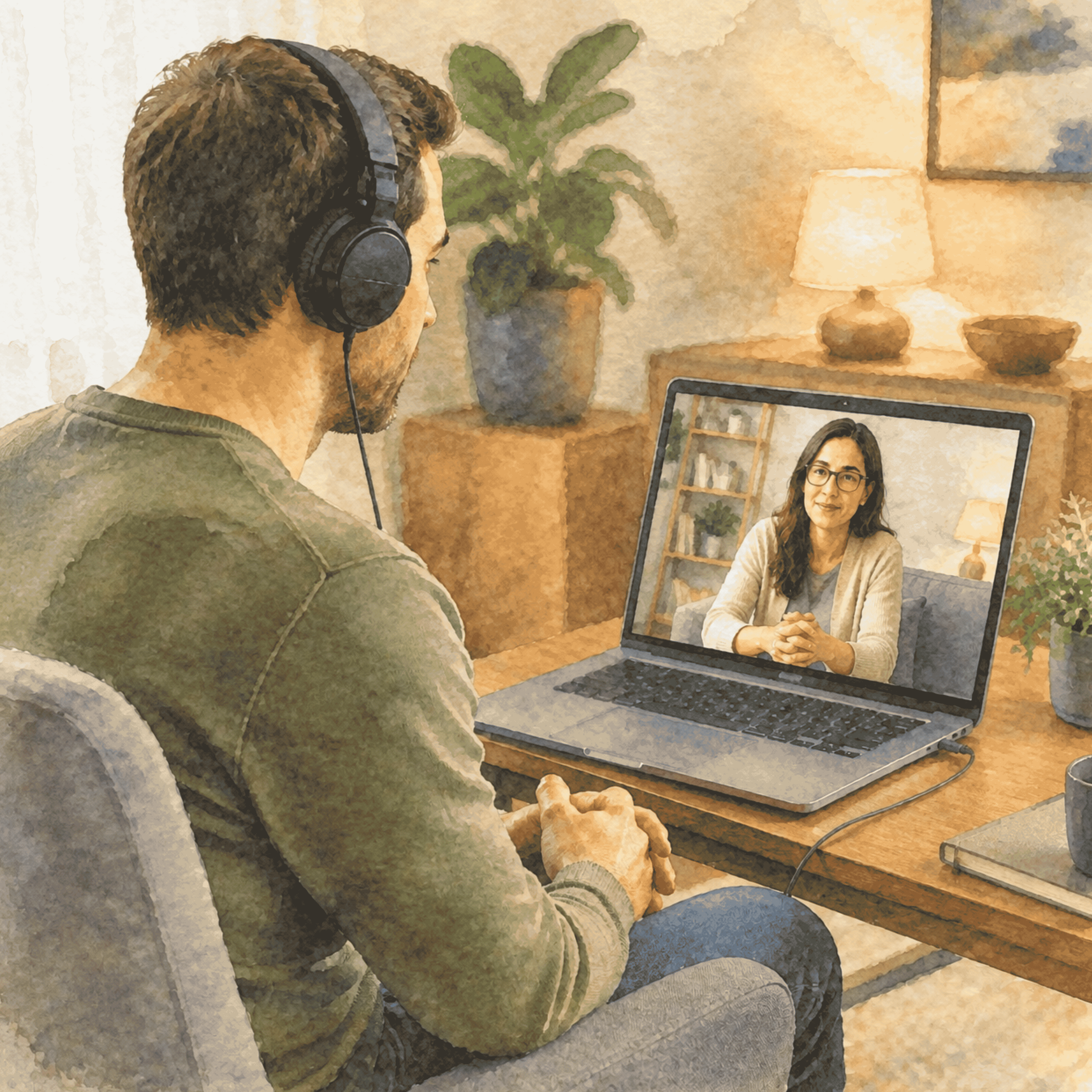
EMDR can be provided through secure online video sessions.
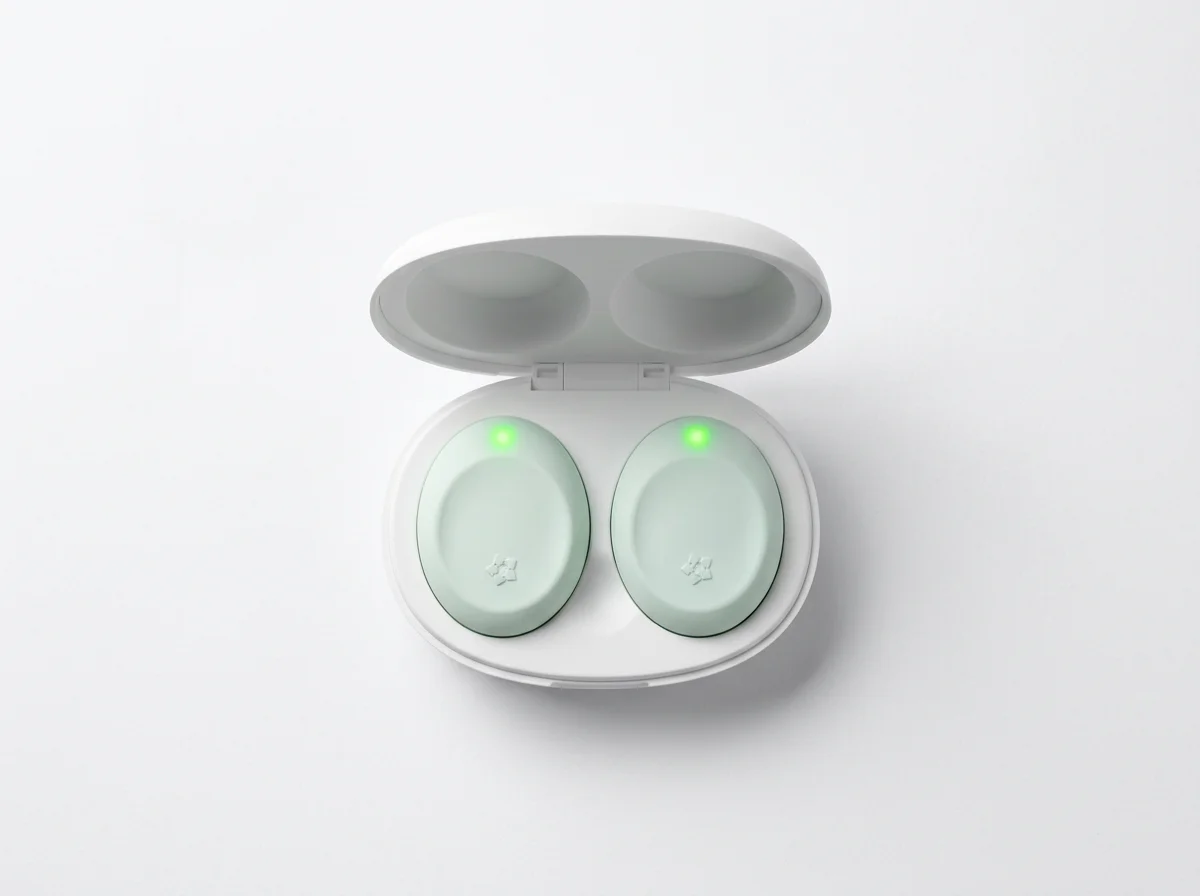
During virtual EMDR sessions, bilateral stimulation can be provided through methods that are appropriate for telehealth, including visual, auditory, or tactile options depending on your needs and what we determine works best for you.
Before beginning EMDR processing online, we'll make sure you have a private, comfortable space and a plan for managing your emotions and staying grounded throughout the session.


Is EMDR right for me?
You don't have to know whether EMDR is right for you before reaching out.
During a consultation, we can talk about what you're experiencing, what you'd like to change, and whether EMDR—or another therapeutic approach—may be a good fit.
Sometimes the best first step isn't processing the hardest thing that has happened to you. Sometimes it's simply creating a safe/calm place to begin.
“The past affects the present even without our being aware of it.”
– Francine Shapiro